
Writings on the Heian Court
The Heian court was a world where power moved through proximity, desire through poetry, and reputation through rumor. Writing was not decorative but dangerous—a way to register intimacy, faith, and survival under constant observation. This page explores Heian literature as lived experience, returning to writers such as Murasaki Shikibu, Sei Shōnagon, Izumi Shikibu, and the Sarashina diarist not as distant classics but as architects of a refined and unforgiving social world. Their texts do not simply record court life; they reveal how court life shaped attention, sexuality, faith, and the conditions under which a woman could speak. The Tale of Genji is read here not as romance but as an anatomy of power and impermanence, while the diaries are approached as acts of judgment and self-preservation, where poetry circulates as evidence, genius becomes a liability, and Buddhism functions as consolation and threat rather than doctrine.

Murasaki Shikibu and the Weight of Awareness
An in-depth exploration of Murasaki Shikibu’s diary examines court life, Buddhism, sexuality, and female visibility in Heian Japan. Through her judgments of Sei Shōnagon and the birth of a prince, it reveals how Genji emerged from vigilance, restraint, and moral awareness.
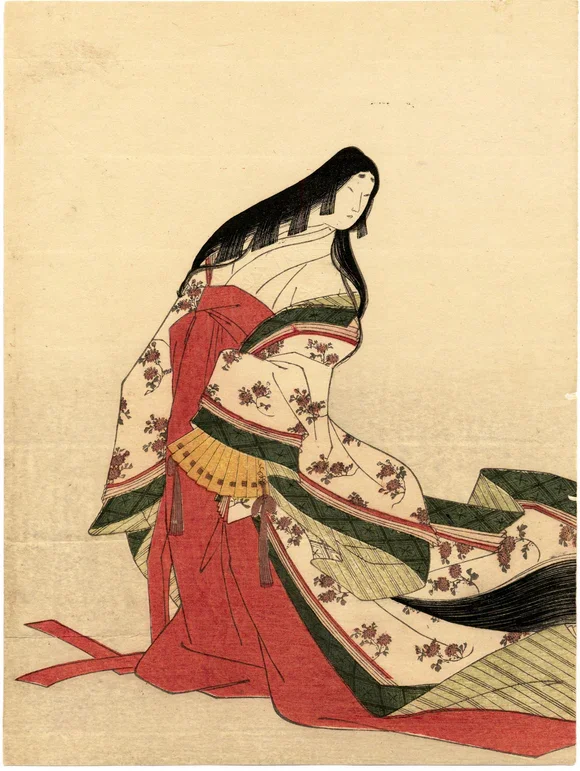
Izumi Shikibu and the Cost of Desire
300-character SEO blurb:
An exploration of Izumi Shikibu’s diary examines sexuality, Buddhism, and karmic fear in Heian Japan. Through poetry and confession, it reveals desire as spiritual danger and erotic force—binding body and soul through attachment, consequence, and the cost of wanting without release.

Sarashina and the Longing for Another Life
The Sarashina Diary traces a woman shaped by fantasy, exclusion, and time. This piece examines desire, aging, and class in Heian Japan, revealing how disappointment, memory, and religion reshape sexuality into a quiet, enduring form of authority.
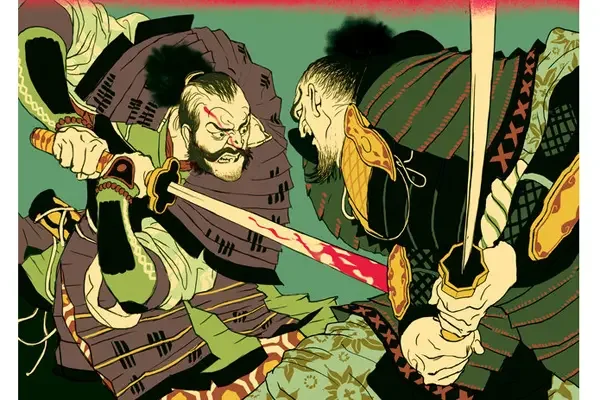
Juxtaposing The Tale of Genji and The Tale of the Heike
This essay traces Japan’s shift from courtly longing to warrior fate by reading The Tale of Genji beside The Tale of the Heike. It shows how desire, power, and Buddhist impermanence move from intimate, private attachment in Heian court life to collective loss, loyalty, and destruction in feudal warfare.
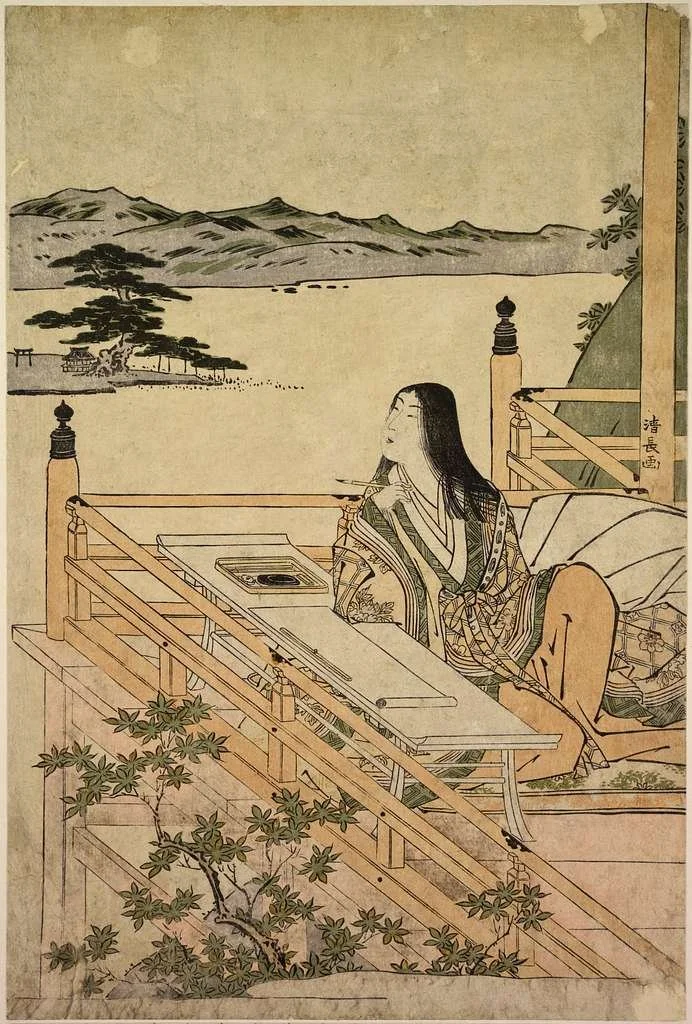
Why Genius Was a Liability for Heian Women
Why genius was a liability for women in Heian Japan. This essay explores brilliance, resentment, and gendered punishment through writers like Sei Shōnagon, Murasaki Shikibu, and Izumi Shikibu, revealing how female intelligence was cultivated, constrained, and socially penalized at court.

Why Poetry Was More Dangerous Than Sex at Court
Why poetry posed greater risk than sex at the Heian court. This essay explores reputation, circulation, and misinterpretation, showing how poems shaped social survival in classical Japan, especially for women, where language lingered and desire could not be undone.
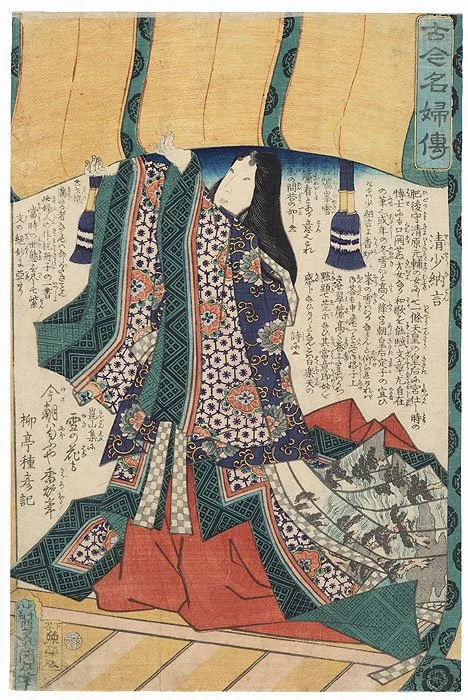
Sei Shōnagon and the Pleasure of the World
Sei Shōnagon’s Pillow Book reveals a rare erotic intelligence—desire shaped by timing, taste, and attention rather than confession. This lyrical essay explores sensuality at the Heian court and contrasts Shōnagon’s sharp pleasure with Murasaki Shikibu and Izumi Shikibu.