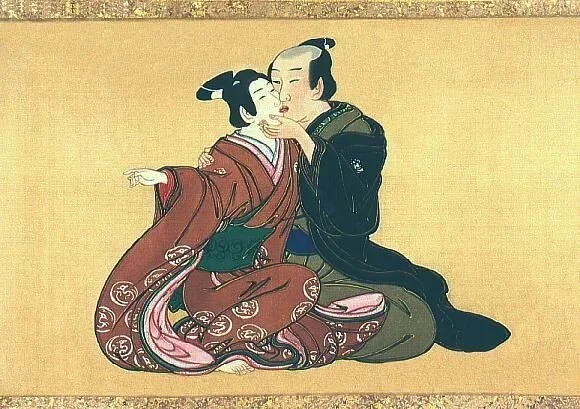
Same-Sex Desire in Pre-Feudal and Feudal Japan
This writing examines forms of intimacy, erotic attachment, and emotional bonds between people of the same sex in pre-feudal and feudal Japan. Rather than projecting modern categories of sexual identity onto the past, these essays trace how desire was structured through age, rank, ritual, and social obligation. Drawing on court diaries, poetry, religious writing, and later warrior culture, the series explores how same-sex relations could be visible, tolerated, or strategically obscured without being named as identity. Together, these writings argue that queerness in pre-modern Japan was lived relationally—through practice and attention—long before it was understood as a category of self.
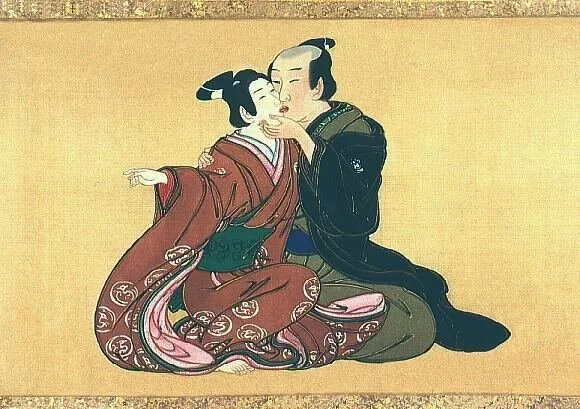
Why “Homosexuality” Is the Wrong Word (and Why We Still Use It)
The term “homosexuality” does not fit pre-modern worlds shaped by rank and relation rather than identity. This essay examines why the word is historically anachronistic, why scholars still use it, and how translation, legibility, and compromise shape the study of same-sex desire.
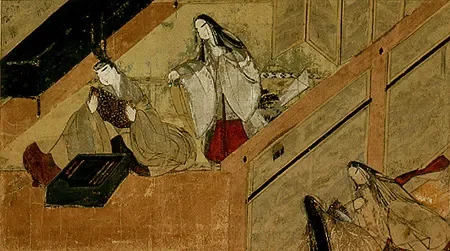
Male Intimacy at the Heian Court
Male intimacy in the Heian court rarely appeared directly in writing. This essay reads court diaries for what they reveal indirectly—through poetic exchange, euphemism, and strategic silence—showing how same-sex attachment became visible only when it disrupted rank, discretion, or social balance.
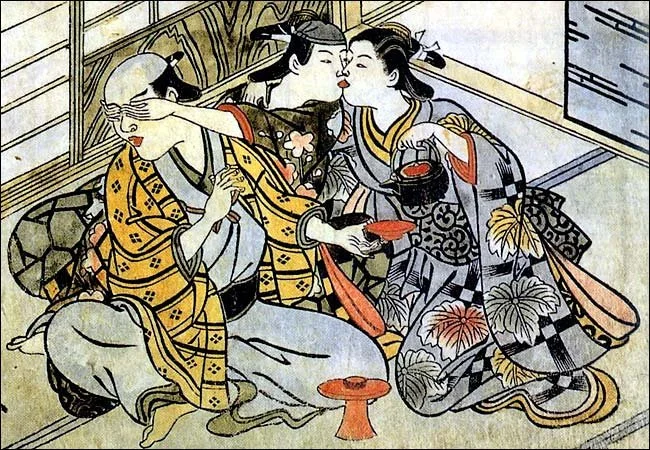
Same-Sex Desire and Rank in Heian Japan
Same-sex desire in Heian Japan was shaped less by gender than by rank. This essay explores how intimacy moved through hierarchy, ritual, and social obligation at court, where desire survived by remaining legible, discreet, and properly placed rather than named or condemned.
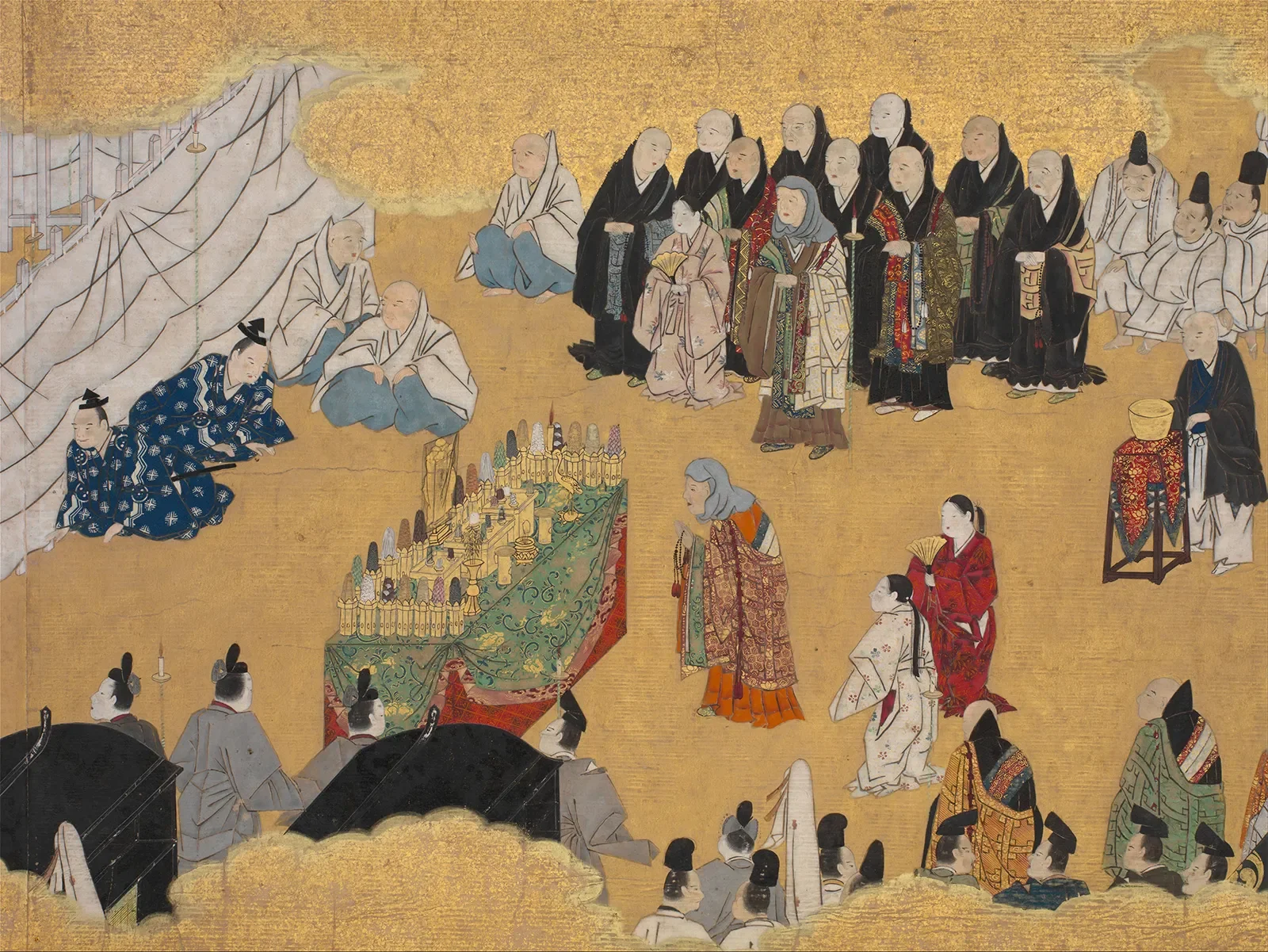
Buddhism, Confession, and Erotic Transgression
In Heian Japan, Buddhism did not erase erotic desire but absorbed it. This essay explores how confession, prayer, and ritual reframed intimacy and transgression as ordinary attachments shaped by impermanence, allowing desire—same-sex and otherwise—to persist without moral panic or identity labels.