
Writings on Pre-Feudal Japan
Pre-feudal Japan was a court was a world where power moved through proximity, desire through poetry, and reputation through rumor. Writing was not decorative but dangerous—a way to register intimacy, faith, and survival under constant observation. This page explores Heian literature as lived experience, returning to writers such as Murasaki Shikibu, Sei Shōnagon, Izumi Shikibu, and the Sarashina diarist not as distant classics but as architects of a refined and unforgiving social world. Their texts do not simply record court life; they reveal how court life shaped attention, sexuality, faith, and the conditions under which a woman could speak. The Tale of Genji and Tale of Heiki is read not as romance but as an anatomy of power and impermanence, while the diaries are approached as acts of judgment and self-preservation, where poetry circulates as evidence, genius becomes a liability, and Buddhism functions as consolation and threat rather than doctrine.
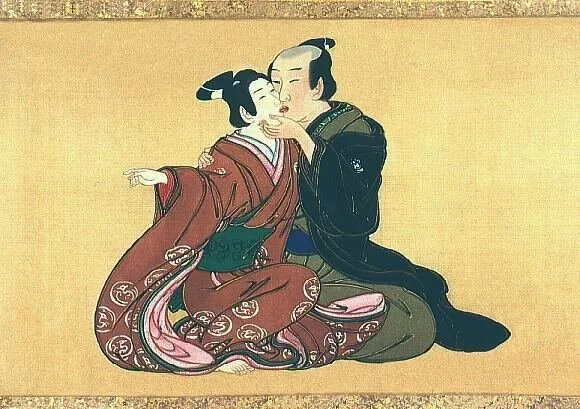
Why “Homosexuality” Is the Wrong Word (and Why We Still Use It)
The term “homosexuality” does not fit pre-modern worlds shaped by rank and relation rather than identity. This essay examines why the word is historically anachronistic, why scholars still use it, and how translation, legibility, and compromise shape the study of same-sex desire.

Court Women, Intimacy, and Non-Sexual Affection
Court women in Heian Japan lived in constant proximity, forming bonds through shared space, touch, and sleep. This essay explores how emotional intimacy between women existed beyond erotic labels, revealing forms of attachment that were ordinary, sustaining, and largely invisible to the historical record.

Loyalty, Love, and Death: Eroticism in Warrior Ethics
Here is a ~300-character SEO blurb, precise and clean:
In medieval Japan, erotic intimacy between warriors reinforced loyalty rather than undermining it. This essay explores how love, attachment, and the constant presence of death shaped warrior ethics, binding fealty to emotional discipline, endurance, and the moral demands of service.
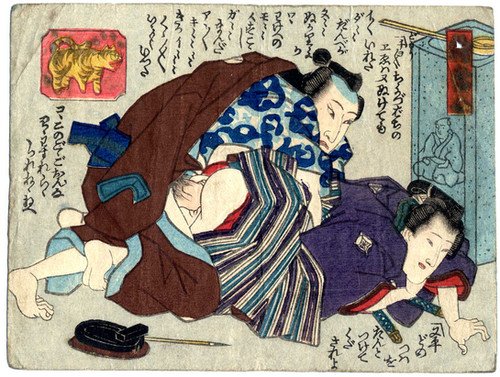
Erotic Pedagogy: Sex as Moral Formation Among Samurai
Here is a ~300-character SEO blurb, tight and search-friendly:
This essay explores how sex between men functioned as moral training among samurai. Rather than indulgence or identity, erotic intimacy shaped loyalty, discipline, and character, binding younger warriors to seniors through obligation, restraint, and ethical formation within warrior culture.
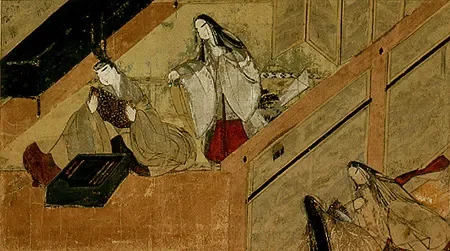
Male Intimacy at the Heian Court
Male intimacy in the Heian court rarely appeared directly in writing. This essay reads court diaries for what they reveal indirectly—through poetic exchange, euphemism, and strategic silence—showing how same-sex attachment became visible only when it disrupted rank, discretion, or social balance.
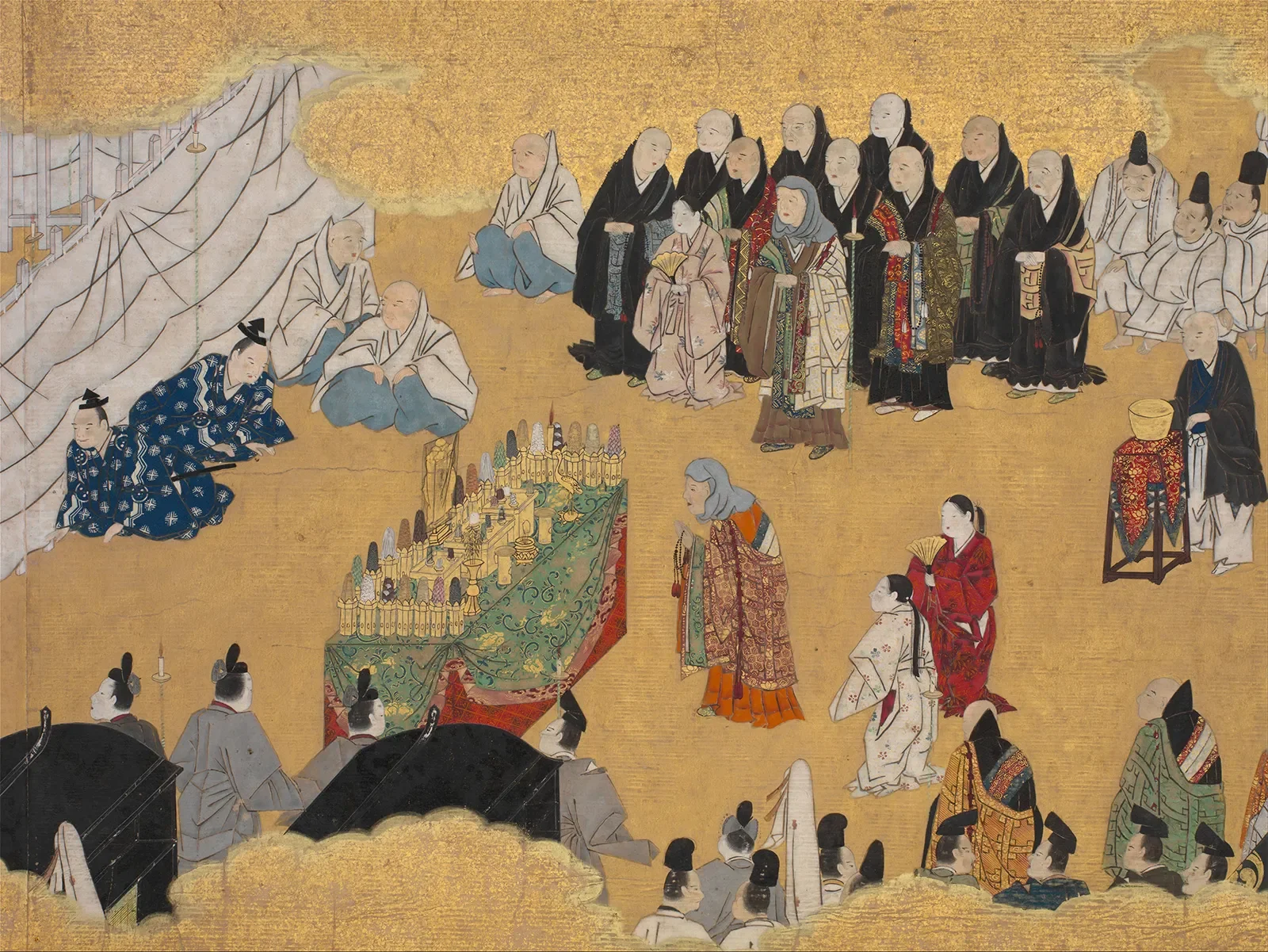
Buddhism, Confession, and Erotic Transgression
In Heian Japan, Buddhism did not erase erotic desire but absorbed it. This essay explores how confession, prayer, and ritual reframed intimacy and transgression as ordinary attachments shaped by impermanence, allowing desire—same-sex and otherwise—to persist without moral panic or identity labels.
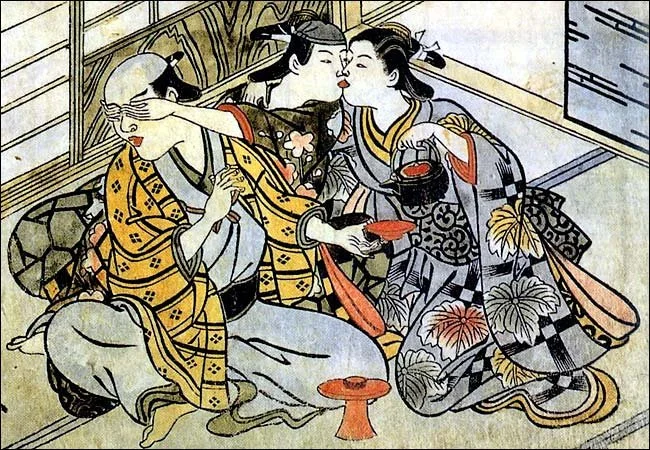
Same-Sex Desire and Rank in Heian Japan
Same-sex desire in Heian Japan was shaped less by gender than by rank. This essay explores how intimacy moved through hierarchy, ritual, and social obligation at court, where desire survived by remaining legible, discreet, and properly placed rather than named or condemned.